
If you want to learn more about The Grid Phantom: AI Defence System, you can check the official page here.

If you want to decide whether The Grid Phantom: AI Defence System is right for you, take a look here.
The Grid Phantom: AI Defence System Review: Is This New AI Survival Offer Worth a Closer Look?
This article is written by mr.hotsia, a long term traveler and storyteller who has spent years exploring Thailand, Laos, Vietnam, Cambodia, Myanmar, India and many other Asian countries. Along the way, I have seen one pattern appear again and again. Whenever a new wave of fear hits the world, people start looking for protection. Sometimes it is health fear. Sometimes money fear. Sometimes technology fear. And now, more than ever, AI fear has become one of those markets that can pull attention very quickly.
That is exactly where The Grid Phantom: AI Defence System seems to be positioned.
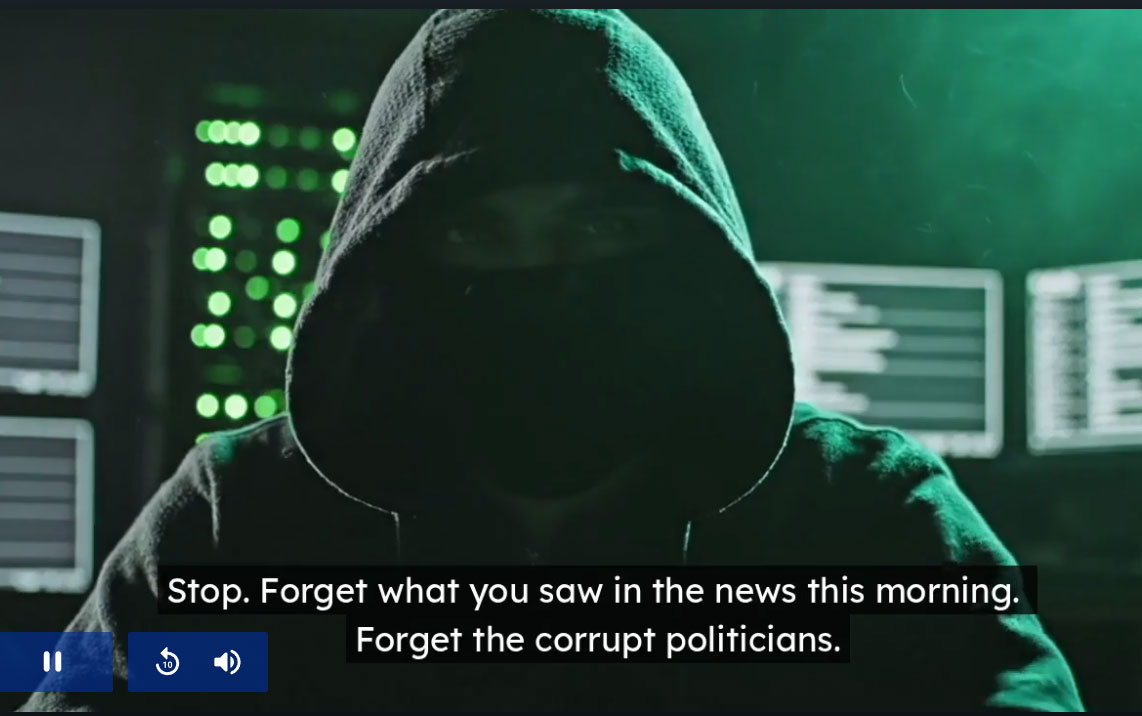
The name sounds dramatic, almost cinematic. It suggests invisibility, protection, and defense against something modern and threatening. Add the phrase “AI Defence System,” and the product immediately tries to occupy a space that feels urgent. It is not being framed like a calm software tutorial. It is being framed more like a shield for a changing world.
From the public summaries I could verify, this is a brand-new 2026 ClickBank offer whose visible marketing language focuses heavily on the commercial angle of AI fear, “cold traffic” conversion, and a desperate market rather than on a deeply transparent feature breakdown. That alone tells us something important about how the product is being sold right now.
What Is The Grid Phantom: AI Defence System?
Based on the public marketplace descriptions currently visible, The Grid Phantom: AI Defence System appears to be a digital offer in the Self-Help / Survival lane, not a mainstream enterprise cybersecurity tool with a large public product footprint. The most repeated public summary says: “AI fear = $$$ in your pocket,” and describes it as a brand-new offer in 2026 with strong conversion claims.
That wording matters.
It suggests the product is being marketed with a heavy emotional and survival angle, not through a traditional software-company style explanation. At the same time, the public listings I found do not provide a clean, detailed description of exactly what the buyer receives, such as whether it is an ebook, a training system, a preparedness guide, a software tool, or a hybrid package. That missing clarity is one of the first things a serious buyer should notice.
So the most honest description right now is this:
It looks like a new AI-threat-themed digital survival/preparedness offer, but the public feature transparency is still thin.
Why a Product Like This Gets Attention
The answer is simple.
AI anxiety is real.
People worry about surveillance, digital manipulation, job disruption, privacy loss, scams, automated deception, and a future that feels harder to read than before. A product that promises “defense” against that atmosphere will naturally pull interest, especially from buyers who already feel overwhelmed by rapid technological change.
That is the emotional engine here.
The Grid Phantom does not appear to be selling convenience first. It is selling protection. And protection sells fast when people feel outpaced.
This is not unusual. Survival-style offers often do well because they give shape to vague fear. They take something large and confusing and turn it into a more manageable question:
“What do I do to protect myself?”
That question is powerful.
First Impressions
My first impression is that The Grid Phantom: AI Defence System is being sold more through market emotion than through public technical clarity.
That is neither automatically good nor automatically bad.
Some buyers respond strongly to urgent positioning. Others want clear details before they trust anything. Right now, the public marketplace footprint leans more toward urgency and conversion talk than toward detailed product transparency. The repeated summaries emphasize “AI fear,” “desperate market,” and conversion rates, while the public sales specifics remain sparse.
That means the product may be interesting, but it also means caution is wise.
When a product lives on fear language, a smart buyer should slow down and ask what is actually inside the box.
What I Like About the Idea Behind It
One thing I can say in its favor is that the core topic is timely.
AI-related fear, confusion, and self-protection are not random subjects in 2026. People genuinely do want guidance around what AI may mean for privacy, manipulation, and digital vulnerability. So the product is at least touching a real emotional and cultural nerve.
I also like the fact that the product’s identity is fairly clear at the headline level. It is not pretending to be a fitness product or a generic self-help bundle. It is clearly trying to sit in the niche of AI defense / survival / preparedness.
For the right audience, that may be enough to spark serious curiosity.
Where Buyers Should Stay Careful
This is the important part.
Because the product is so new, and because the public summaries are still thin, there are several things a buyer should verify before taking the sales page at face value.
First, public marketplace data suggests the product is still extremely early-stage. CBengine shows it as first seen on March 18, 2026, while CBSnooper reports it was added March 16, 2026 and currently still shows gravity at 0.00.
Second, the public descriptions I found do not clearly establish whether this is:
- a software tool,
- a defensive digital checklist,
- a preparedness manual,
- a course,
- or a mixed package.
That lack of clarity is not ideal for a product in a fear-driven category.
Third, the most visible public summaries lean heavily on affiliate-marketing language such as “converts cold traffic,” “crazy EPCs,” and “easy money.” That kind of wording is more about affiliate appeal than buyer education.
So the smartest mindset is this:
Do not judge it by the headline drama alone. Judge it by what the checkout page and sales page actually reveal about deliverables, format, and refund protection.
Who This Product May Be Best For
The Grid Phantom may appeal most to people who:
are already highly interested in AI risk and digital self-protection,
like survival-style digital offers,
feel drawn to preparedness products with a modern technology angle,
are comfortable exploring brand-new marketplace offers before they build a large reputation.
This kind of buyer is usually motivated more by urgency than by brand history.
If that is the audience, the offer may resonate.
Who May Not Be the Best Fit
This may not be the right fit for everyone.
If someone wants a clearly documented cybersecurity tool with a mature public reputation, this probably does not look like that right now. If someone wants transparent technical specs, company background, or a strong record of independent user reviews, the public footprint I found may feel too thin.
It also may not suit buyers who dislike fear-based marketing. The visible summaries lean strongly into that style.
That does not automatically mean the product is weak.
It simply means the buyer should separate timely topic from proven execution.
My Overall Take
The Grid Phantom: AI Defence System looks like a very new, AI-fear-driven survival/preparedness offer that is trying to capitalize on a highly emotional and highly relevant market theme in 2026. The topic is timely, the positioning is sharp, and the name is memorable. But the current public footprint still feels thin, and the marketplace summaries reveal more about how affiliates are expected to market it than about the full substance of the buyer experience.
Would I describe it as a proven must-buy?
No.
Would I say it may be worth a closer look for the right kind of buyer?
Yes.
Especially for someone already interested in AI defense, digital preparedness, and new survival-style info products, as long as they inspect the actual sales page carefully before buying.
That is the fairest middle ground.
Final Verdict
The Grid Phantom: AI Defence System may be worth considering for buyers who are intrigued by AI-risk preparedness and are open to very new digital offers in the self-help/survival space. Public marketplace sources confirm that it is a new 2026 ClickBank product, categorized under Self-Help / Survival, sold as a one-time payment, and still early enough that its public traction appears minimal so far.
The smartest way to approach it is simple:
See it as a new AI-themed survival offer, not a battle-tested cybersecurity institution.
See the public hype around conversion and “AI fear” as marketing language, not independent proof of quality.
See the lack of detailed public feature transparency as a reason to read the live sales page carefully before buying.
10 FAQs About The Grid Phantom: AI Defence System
1. What is The Grid Phantom: AI Defence System?
It appears to be a new 2026 ClickBank digital offer positioned around AI-related defense or survival-style preparedness. The public marketplace summaries do not yet provide a deeply detailed product breakdown.
2. Is it a software tool?
I could not verify that from the public summaries alone. The product is marketed as an “AI Defence System,” but the available marketplace descriptions do not clearly spell out the exact delivery format.
3. What category is it in?
Public marketplace listings place it in Self-Help / Survival.
4. Is it a new product?
Yes. CBSnooper and CBengine both show it as first appearing in mid-March 2026.
5. Does it appear to have strong public traction yet?
Not from the public data I found. The visible gravity is still 0.00, which usually means the product is still very early in public affiliate traction.
6. What is the main sales angle?
The most visible public summary leans heavily on AI fear, desperation in the market, and affiliate-style conversion language.
7. Is it sold as a recurring subscription?
The public marketplace pages I found describe it as a one-time payment product.
8. Who may be interested in it?
People drawn to AI-risk themes, digital preparedness, and survival-style offers may be the most natural audience.
9. Is it already widely reviewed?
I did not find a broad, mature, independent review footprint from strong public sources. Most of the visible information comes from marketplace tracking pages.
10. Is The Grid Phantom worth considering?
It may be worth considering for someone curious about AI-defense-themed offers, but right now it should be approached carefully because the public product transparency and track record are still limited.
If you want to learn more about The Grid Phantom: AI Defence System, you can check the official page here.
If you want to decide whether The Grid Phantom: AI Defence System is right for you, take a look here.

I’m Mr.Hotsia, sharing 30 years of travel experiences with readers worldwide. This review is based on my personal journey and what I’ve learned along the way.I share my experiences on www.hotsia.com |