
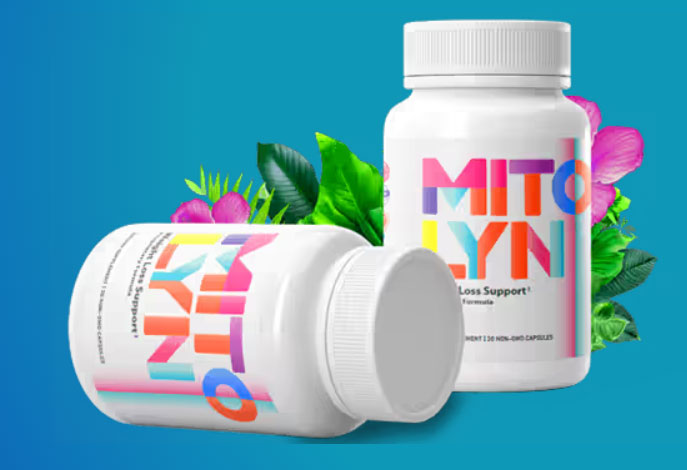
 Discover MITOLYN supplement information

MITOLYN is a plant-based supplement designed with ingredients such as maqui berry, rhodiola, astaxanthin, amla, cacao extract, and schisandra. Each component has been studied for its potential role in supporting mitochondrial health, energy metabolism, and antioxidant defense. To explore ingredient details, formulation insights, and product information
MITOLYN Compared to Other Mitochondrial Support Supplements: A Long-Form Review
Introduction
Mitochondria are often called the “powerhouses of the cell,” and for good reason. They generate ATP, regulate cellular metabolism, and influence everything from energy levels to oxidative stress. Because of this, the supplement industry has devoted enormous attention to the idea of “mitochondrial support.” In this space, one name that appears frequently is MITOLYN.
This long review explores what MITOLYN is, what ingredients it contains, what the evidence says about those ingredients, and how it compares to other leading categories of mitochondrial supplements such as MitoQ, nicotinamide riboside (NR), PQQ/CoQ10 stacks, and traditional CoQ10 or ubiquinol.
The goal is not to promote or dismiss, but to provide a balanced, detailed, comparative view. If you are researching MITOLYN or mitochondrial supplements in general, this article should help you understand the differences.
What Is MITOLYN?
MITOLYN is marketed as a plant-based supplement specifically targeting mitochondrial health. The official brand page presents it as something “unlike anything you’ve tried before,” with a focus on energy, metabolism, and antioxidant protection. The formula is built on a proprietary blend of six plant-derived ingredients:
-
Maqui berry
-
Rhodiola
-
Haematococcus pluvialis (source of astaxanthin)
-
Amla (Indian gooseberry)
-
Theobroma cacao extract (epicatechin)
-
Schisandra
The product is sold at around $79 for a one-month supply, with bundle discounts and a 90-day return policy.
The most notable design choice here is that no exact milligram amounts are publicly listed for each ingredient. Instead, the six botanicals are blended in a proprietary formulation. That can be appealing to some users who trust the brand’s balance, but it also makes it harder for scientifically-minded readers to compare doses with published studies.
Why These Ingredients?
Let’s break down each of the six components and what science says about their mitochondrial relevance.
Maqui Berry
Maqui berry is a dark purple fruit rich in anthocyanins, particularly delphinidins. Research on anthocyanins has shown potential influence on thermogenesis, adipose tissue “beiging,” and mitochondrial dynamics. Animal and cellular studies suggest they can help regulate oxidative stress and promote mitochondrial efficiency. While there are no large human trials specifically testing maqui berry for mitochondrial endpoints, the mechanistic basis is consistent with mitochondrial support.
Rhodiola
Rhodiola rosea is a well-known adaptogen used traditionally for fatigue and stress. The active compounds, rosavins and salidroside, have been linked to AMPK and SIRT1 activation, both of which are pathways involved in mitochondrial biogenesis. Studies in rodents and cell culture show rhodiola may increase ATP content and protect mitochondria under stress. Human trials generally focus on endurance and fatigue, which indirectly tie back to mitochondrial function.
Haematococcus (Astaxanthin)
Astaxanthin is a carotenoid antioxidant most often sourced from the microalga Haematococcus pluvialis. Research shows that it can stimulate mitochondrial biogenesis via AMPK signaling in muscle, especially in insulin-resistant contexts. It is also a strong antioxidant, protecting mitochondrial membranes from oxidative damage. Small human trials in athletes and metabolic health settings suggest potential benefits, although larger clinical data is limited.
Amla
Also called Indian gooseberry, amla is used in Ayurvedic traditions and modern supplements. Laboratory studies have demonstrated that amla extracts can improve mitochondrial spare respiratory capacity in muscle cell models, suggesting more resilience in energy production. It is also rich in polyphenols and vitamin C, which contribute to antioxidant status. Human studies often look at amla for cardiovascular and metabolic outcomes, but not always for mitochondria directly.
Cacao (Epicatechin)
Cacao beans contain (-)-epicatechin, a flavanol studied for its impact on vascular function and mitochondrial biology. Evidence suggests that epicatechin can increase markers of mitochondrial biogenesis and improve respiration in muscle tissue. Pilot studies in humans with metabolic conditions have noted improvements in some mitochondrial biomarkers and vascular performance. This ingredient is one of the more evidence-supported flavanols in the mitochondrial context.
Schisandra
Schisandra chinensis is a berry used in traditional Chinese medicine. Its lignans, such as schisandrin and gomisin, have been linked to upregulation of mitochondrial biogenesis genes and protection against oxidative stress in preclinical models. Animal studies indicate that schisandra may improve endurance and fatigue resistance, possibly through mitochondrial mechanisms. Human data is sparse, but the mechanistic rationale is interesting.
Strengths and Weaknesses of the MITOLYN Formula
Strengths
-
Brings together multiple polyphenol-rich botanicals that target overlapping mitochondrial pathways.
-
Emphasizes antioxidant protection and adaptogenic stress support.
-
Free from stimulants, making it suitable for people avoiding caffeine.
-
Appealing to those who prefer a plant-based, natural formula.
Weaknesses
-
No dose transparency: without knowing milligrams, it is impossible to match the formula directly to research.
-
Most of the evidence is preclinical or in isolated ingredients, not in the exact MITOLYN combination.
-
At $79 per month, it is priced on the higher end compared to many alternatives.
-
Limited independent human trials available for the full formula.
Discover MITOLYN supplement information
MITOLYN is a plant-based supplement designed with ingredients such as maqui berry, rhodiola, astaxanthin, amla, cacao extract, and schisandra. Each component has been studied for its potential role in supporting mitochondrial health, energy metabolism, and antioxidant defense. To explore ingredient details, formulation insights, and product information
How MITOLYN Compares to Other Categories
To truly understand MITOLYN, it helps to compare it to the four major categories of mitochondrial supplements that dominate the market.
1. MitoQ (Mitoquinol Mesylate)
MitoQ is essentially a modified CoQ10 molecule engineered to accumulate inside mitochondria. CoQ10 itself is a critical electron transport chain cofactor, but standard CoQ10 supplements distribute throughout the body with limited mitochondrial targeting. MitoQ’s innovation is to attach a lipophilic cation, making it accumulate directly where oxidative stress happens most.
Pros compared to MITOLYN:
-
Clear single-molecule dosing.
-
Substantial CoQ10 research backing.
-
Targeted mechanism.
Cons compared to MITOLYN:
-
Focuses mainly on antioxidant action, less on adaptogenic diversity.
-
Can be similarly expensive or more expensive than MITOLYN.
2. Nicotinamide Riboside (NR)
NR, sold in products like Tru Niagen or Elysium Basis, is a direct precursor to NAD+, a critical molecule for mitochondrial enzymes. NR has been shown in human studies to raise NAD+ levels reliably. This makes it one of the few mitochondrial supplements with clear biomarker evidence in humans.
Pros compared to MITOLYN:
-
Transparent dosing.
-
Human biomarker evidence.
-
FDA GRAS status for safety.
Cons compared to MITOLYN:
-
Focuses narrowly on NAD+ without addressing antioxidant or adaptogenic pathways.
-
Clinical outcomes beyond NAD+ increase remain debated.
-
Often requires continuous, long-term use.
3. PQQ/CoQ10/R-ALA Stacks
Many “energy formulas” combine PQQ (pyrroloquinoline quinone), CoQ10, and sometimes R-alpha lipoic acid. PQQ has been studied for its ability to stimulate mitochondrial biogenesis via PGC-1α pathways, while CoQ10 and R-ALA support electron transport and antioxidant balance. Products like Performance Lab Energy use this model.
Pros compared to MITOLYN:
-
Transparent dosing of each active.
-
Direct alignment with published research on PQQ and CoQ10.
-
Balanced between biogenesis and energy support.
Cons compared to MITOLYN:
-
Fewer botanical/adaptogenic angles.
-
Limited human trials for PQQ specifically.
-
Similar price point.
4. Classic CoQ10 or Ubiquinol
CoQ10 has decades of research, particularly in cardiovascular and energy-related conditions. Ubiquinol, its reduced form, may offer higher bioavailability. These are widely available, often at lower prices.
Pros compared to MITOLYN:
-
Extensive human evidence base.
-
Affordable and widely accessible.
-
Transparent dosing.
Cons compared to MITOLYN:
-
Narrower mechanism (electron transport).
-
Lacks adaptogenic or plant-based diversity.
-
No proprietary “blend” appeal for those seeking complexity.
Safety and Practical Considerations
Supplements in this category are regulated differently from pharmaceuticals. That means:
-
Dosing may not match published studies unless the product is transparent.
-
Quality control varies between brands.
-
Counterfeit products have been spotted online under similar names. Always check the source.
-
Interactions are possible: rhodiola and schisandra, for example, can influence liver enzymes.
Consumers should consult healthcare professionals, especially if they take prescription medication or have chronic conditions.
User Feedback and Reputation
Third-party review sites show mixed reactions to MITOLYN. Some users report positive impressions related to energy and metabolism, while others complain about price, billing, or lack of visible results. Trustpilot, for example, shows a low average score for the site, though individual experiences vary. This reflects a broader truth: supplement experiences are subjective, and expectations need to be realistic.
Key Takeaways
-
MITOLYN is a botanical-driven, proprietary blend supplement aimed at mitochondrial health.
-
It uses ingredients with interesting mechanistic evidence, but dose opacity and limited clinical trials make direct evaluation difficult.
-
Compared to MitoQ, NR, PQQ/CoQ10 stacks, and classic CoQ10, MITOLYN’s uniqueness is its broad plant-based polyphenol strategy, while rivals are more single-molecule or transparent-dose oriented.
-
Price is comparable to other premium mitochondrial supplements.
-
Suitability depends on whether you value botanical diversity or dose transparency.
Conclusion
Mitochondrial support is a growing niche in supplementation. MITOLYN positions itself differently by combining six botanicals with polyphenol, adaptogen, and antioxidant properties. This distinguishes it from rivals like MitoQ (targeted CoQ10), NR (NAD+ precursor), and PQQ/CoQ10 stacks (biogenesis signaling).
If you are interested in plant-based diversity and do not mind proprietary blends, MITOLYN might be appealing. If you prefer transparent dosing, stronger clinical data, or targeted mechanisms, you may lean toward alternatives.
Ultimately, no supplement replaces the fundamentals: balanced nutrition, exercise, sleep, and stress management are the true foundations of mitochondrial health. Supplements like MITOLYN or its rivals can be explored as adjuncts, not substitutes.
Discover MITOLYN supplement information
MITOLYN is a plant-based supplement designed with ingredients such as maqui berry, rhodiola, astaxanthin, amla, cacao extract, and schisandra. Each component has been studied for its potential role in supporting mitochondrial health, energy metabolism, and antioxidant defense. To explore ingredient details, formulation insights, and product information

I’m Mr.Hotsia, sharing 30 years of travel experiences with readers worldwide. This review is based on my personal journey and what I’ve learned along the way.I share my experiences on www.hotsia.com |